

Your wheat at a glance
Awned Winter Wheat

C-Quality Wheat
new
RGT Highgrove
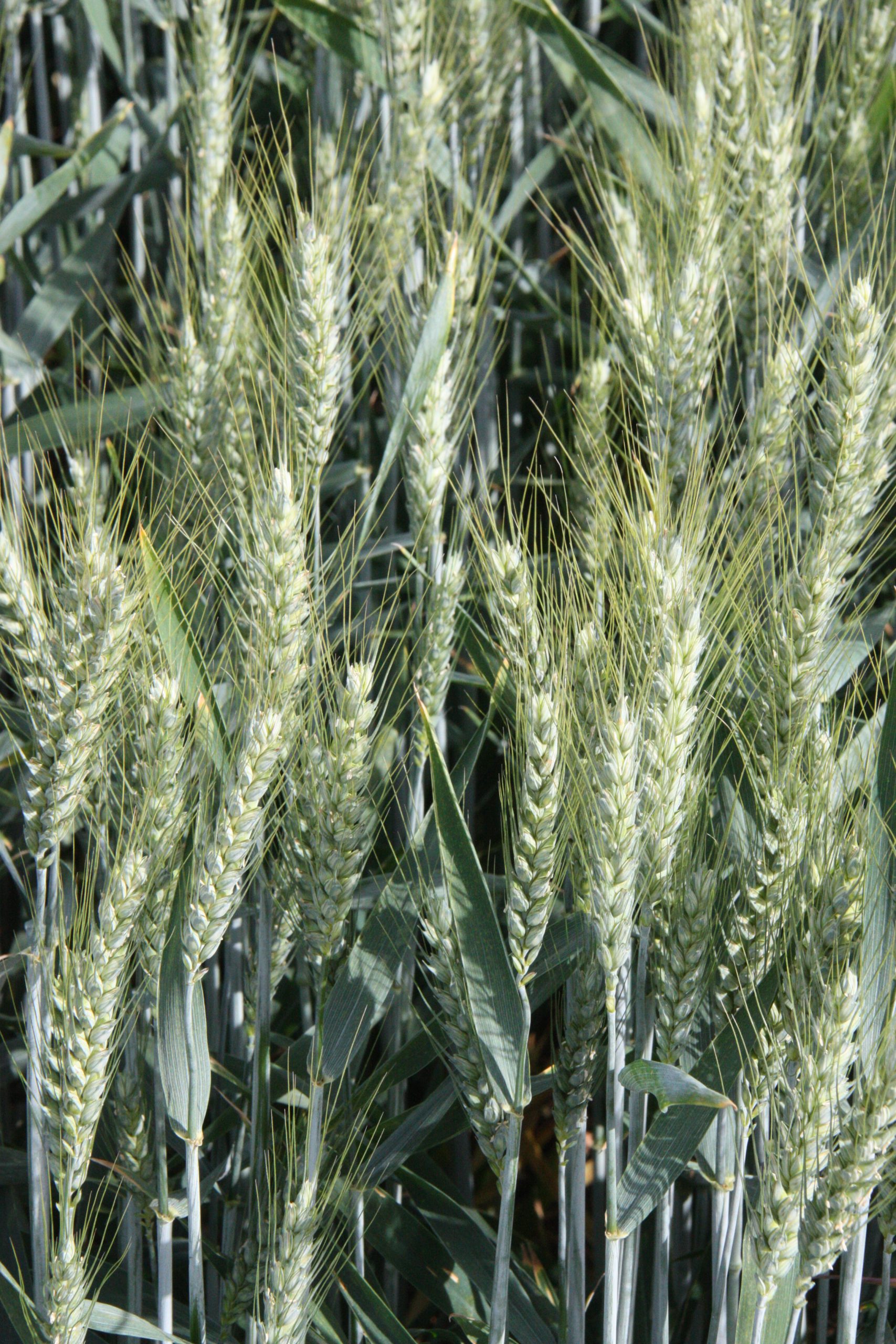
A new variety for a changing environment


Strengths
Unique Strong Septoria Resitance
Superb all round disease profile with absolutely no weaknesses
Highly adapted to drought prone soils
Testimonials

James Barlow - ADM
RGT Highrove stood out instantly!
Crops looked as good as they have done for long time, nice and even and all standing,” says director Martin Cook.
“But yields are not happening to the extent we expected or wanted, which seems to be a problem in this part of the country. I think the poor weather at the end of June and early July has been the main problem – wet weather from May onwards is never good for us, as the silts cope much better in the dry.”
2023-04-20
Ken Goodger - Welney, Cambs
Yields on the grade one silty loams are generally coming in around the five-year average of 10t/ha – the farm grows quite a few second wheats plus drill into November after roots.
The 18ha block of RGT Saki, drilled after potatoes on 9 October and grown for seed, was in line with that figure, despite high disease pressure in early summer.
“It looked fantastic right the way through the season, until we were hit by late Septoria, which resulted in high disease presence on leaf 1 and 2 and 15% on the flag leaf,” says Martin.
2023-04-11
FEATURES AND BENEFITS
Farm Suitibility
Features
Drought tolerance 8
Awned 10
Hieght 7
Stiffness 9
Lodging 9
Disease Tolerance
– – – = sehr anfällig, +++ sehr hohe Toleranz
Mildew 8
Yellow rust 9
Brown rust 6
Septoria Tritici 6.5
Eyespot PCH1
Fusarium 6
FARM SUITABILITY
RGT Highgrove is suite to land that is prone to drought or lighter land areas.
It has an all round very strong disease profile and Unique source of seoptoria tritici resistance to anything currently grown in the Uk
soil type suitability
Light, Drought prone
Sowing date suitability
October – January
recommended sowing density
180 KG/Ha
Light 320
Medium 350
Heavy 375
Main sowing 350
Late sowing 375
“INTIME PROFILE” OF THE VARIETY
Soil Suitability
the lowest = 1 – the best = 9
Light
99.99%
Medium
77.77%
Heavy
44.44%
Rotation
the lowest = 1 – the best = 9
After roots
99.99%
After Rape
66.66%
Second cereal
88.88%
after maize
55.55%
Sowing windows
January
February
First half
Second half
March
First half
Second half
April
First half
Second half
May
First half
Second half
June
First half
Second half
July
First half
Second half
August
First half
Second half
September
First half
Second half
October
First half
Second half
November
First half
Second half
December
First half
Second half
Optimum
Adapted
HOW TO OPTIMISE THE USE OF YOUR VARIETY
Sowing
Keeping seed rates up on lighter land will help tiller retention.
It’s a bit different to last year when crops had torrid time but produced yield from nowhere.”
Yields on the grade one silty loams are generally coming in around the five-year average of 10t/ha – the farm grows quite a few second wheats plus drill into November after roots.
The 18ha block of RGT Saki, drilled after potatoes on 9 October and grown for seed, was in line with that figure, despite high disease pressure in early summer.
Fertilizing
suspect Septoria was bubbling way in May and June but didn’t show. Then we had 70mm in June and almost as much in July. The resulting disease, together with low light intensity, hit yield and specific weight.
“Last year the Saki looked average at best but yielded 11.5t/ha, our best performer. It is at the top end when it comes to vigour – it seems to tiller out very well and looks to be very competitive. Will it still perform if treated right? Will you be growing it next year?
Agronomy
“Local untreated trials went from almost clean to covered in few days. In hindsight, our T2 wasn’t robust enough. We didn’t apply a T0 as it was cool and dry, and crops were late and clean. At T1 we applied Wolverine (fluxapyroxad + metconazole) at just under half rate, and stand by that.
“But the T2 went on late as crops were slow developing. We applied 1litre/ha of Revystar at the end of May. I do think this was a bit low, plus we really missed Bravo.
Harvest
The fully replicated trials tested several RAGT varieties containing the Bdv2 resistance gene and a range of widely grown commercial varieties under the toughest conditions.
Plots were sown in early September 2020 and inoculated with virus-laden aphids, four times in the autumn and four times in the spring. No aphicide was used.
Plots were scored weekly for disease symptoms from mid-April to produce a visual assessment score (see graph).
Tom Dummett, RAGT’s cereal and OSR product manager, says: “The Bdv2 material, which included RGT Wolverine, Europe’s first winter wheat with resistance to BYDV, and three pipeline varieties, showed no symptoms, apart from a few isolated traces of yellowing, which can occur under high pressure.
results and recommendations

RAGT Reccomended

AHDB Off list

Pathfinder reccomended


